
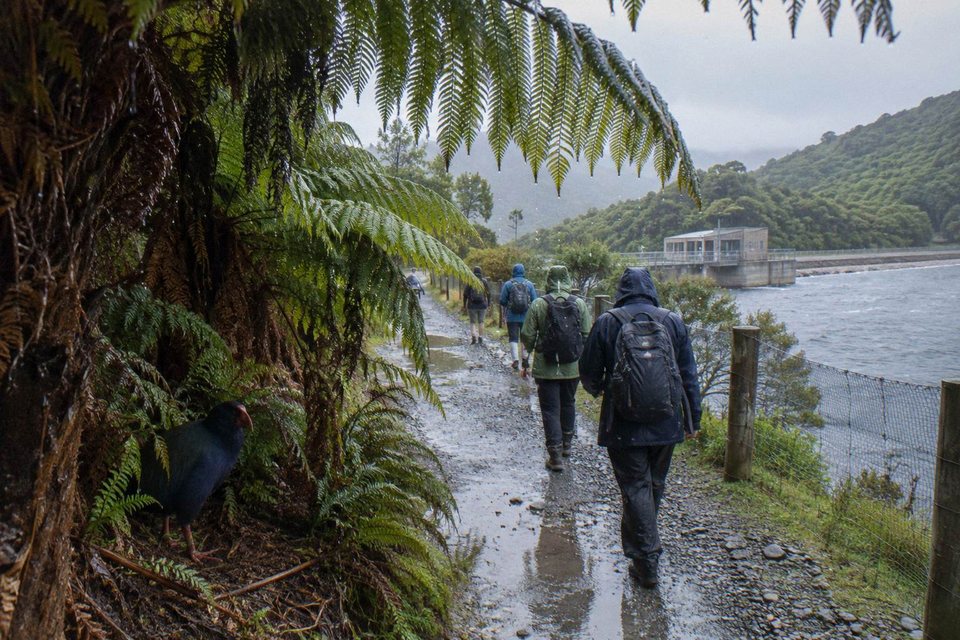
Small-Group Day Walk
Small groups of up to 12 with a professional guide, no minimum age, and admission valid for the next day too.
Check availability
A Zealandia day tour puts a guide beside you inside the world's first fully fenced urban ecosanctuary, 225 hectares of regenerating valley in Karori. The walks on offer run from the featured day tour to twilight, night and plant walks.
Book Small-Group Day WalkFirst sits the featured Zealandia by Day walk, the small-group daytime tour rated 4.8 from 252 reviews and priced from NZ$70 per person. Behind it come the night walk (4.8 from 164 reviews, from NZ$120 per person), the twilight walk (4.8 from 84 reviews, from NZ$110 per person) and the new Forest Secrets plant walk, whose listing is too fresh to carry a rating.
Small groups of up to 12 with a professional guide, no minimum age, and admission valid for the next day too.
Check availability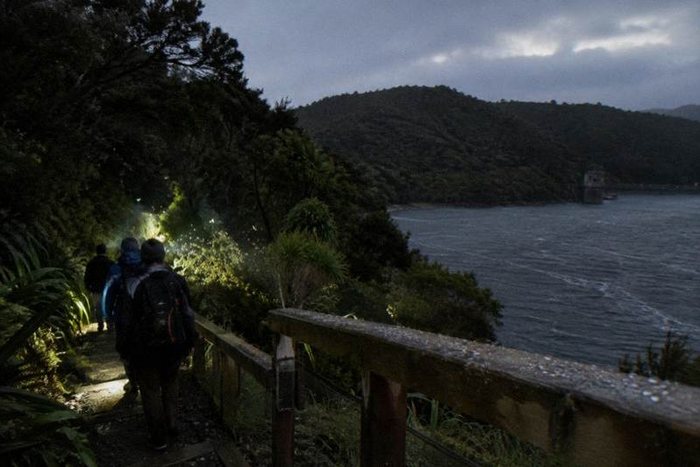
Kiwi are seen on most tours, never guaranteed, and the walk ends with warm kawakawa tea; minimum age 12.
Check availability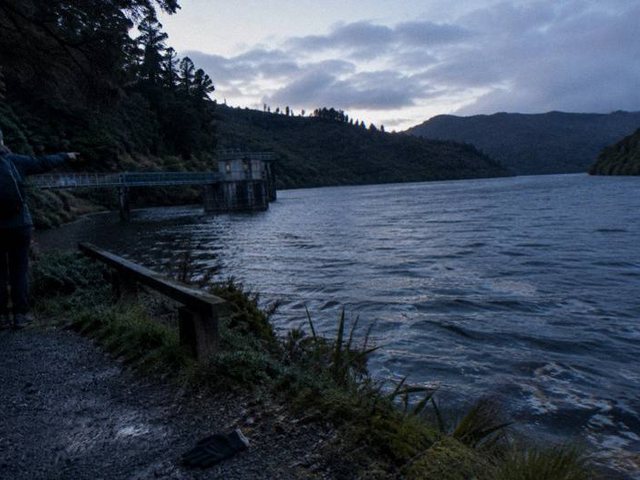
A dusk start walks from daylight into dark, bridging the day and night tours, with a minimum age of 5.
Check availability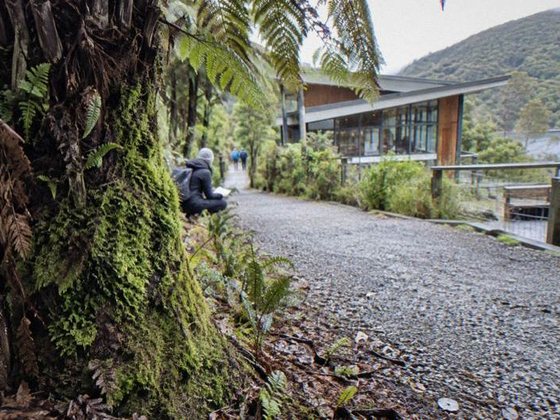
A two-hour Sunday morning walk focused on the forest itself rather than the fauna, led by a Zealandia guide.
Check availabilityThe four Zealandia tours split evenly on paper: two run for 2 hours, two for 2 hours 30 minutes. The day walk and the Forest Secrets plant walk are the short pair, both daytime. The night walk and the twilight walk stretch to two and a half hours because they span the shift from daylight into darkness, when the valley's nocturnal residents start moving.
Minimum ages differ sharply and are worth checking before booking. The day walk has no minimum age at all, and under 5s join free. The twilight walk sets the line at 5. The night walk requires visitors to be at least 12. Forest Secrets lists no minimum age on its booking page.
Group size is capped at 12 on the day walk and on the night walk. Forest Secrets also caps its Sunday-morning groups at 12. The twilight walk's group size is not stated on the listing, so check the booking page before reserving.
| Tour | Price | Length | Rating |
|---|---|---|---|
| Small-Group Day Walk | NZ$70 per person | 2 hours | 4.8 (252) |
| Night Walk, 2 Hours 30 Minutes | NZ$120 per person | 2 hours 30 minutes | 4.8 (164) |
| Twilight Walk, 2 Hours 30 Minutes | NZ$110 per person | 2 hours 30 minutes | 4.8 (84) |
| Forest Plant Walk | NZ$70 per person | 2 hours | No rating yet |
The day walk is the entry point for most visitors: a guided loop from the visitor centre through the lower valley, with a guide interpreting the forest, the fence and the species the group might encounter. Ratings sit at 4.8 across all three established tours, so the choice is less about quality than about what time of day and which animals matter most to you.
The twilight walk bridges the two worlds, beginning in light and ending in dark. The night walk commits fully to the after-dark experience, ending with a warm kawakawa tea back at the visitor centre. Little spotted kiwi are seen on most night tours, though never guaranteed, and they are very unlikely on any daytime walk.
Forest Secrets, the newest listing, narrows the lens to the plants rather than the fauna: a daytime botany walk on Sunday mornings at 10:30am, priced from NZ$70 per person, matching the day walk on cost and duration. All four offer free cancellation up to 24 hours ahead, which makes combining a first daytime walk with a later night walk a realistic plan for a longer Wellington stay.
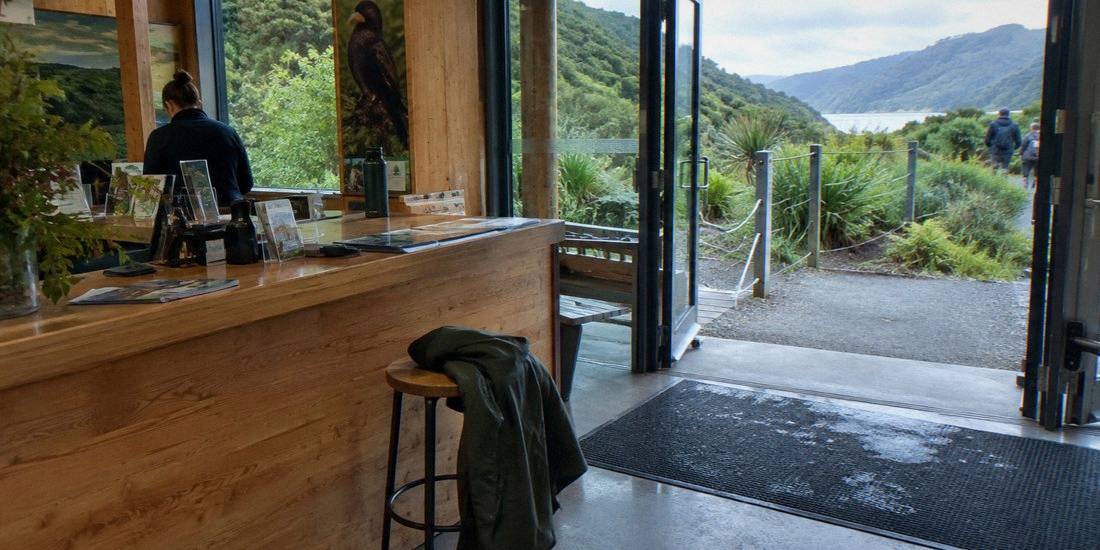
A Zealandia day tour begins inside the visitor centre at 53 Waiapu Road, at the end of the Karori valley road. Tours start with a short intro video of roughly five minutes, a compact framing of what the fence did for this valley and why the birds inside it live wild. From there the group moves toward the sanctuary entrance.
The next stop is the biosecurity gates, and every visitor takes part. Each person checks their own bags and pockets for seeds, mice or lizards before passing through the double gates. The check is short but genuine: keeping introduced pests out is the reason the 8.6 km fence exists at all, and the ritual of self-inspection is part of how the sanctuary stays predator-free.
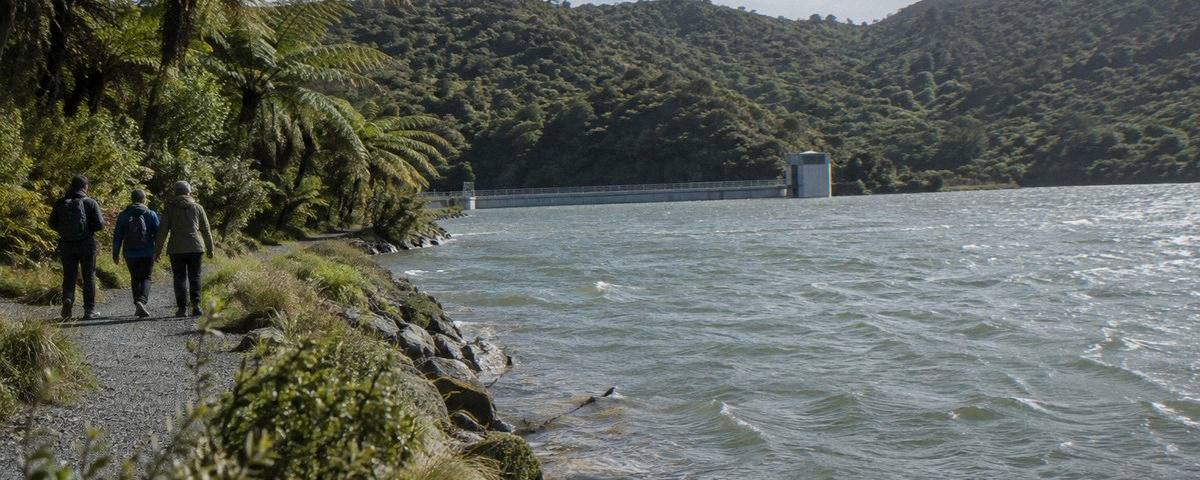
Once through, the walk proper begins on the valley tracks. The ground rolls: slopes, gravel and stretches of uneven ground, described as not strenuous but needing reasonable fitness. The guide sets the pace and the interpretation, pointing out the species the group might see as the track threads between regenerating bush and the water.
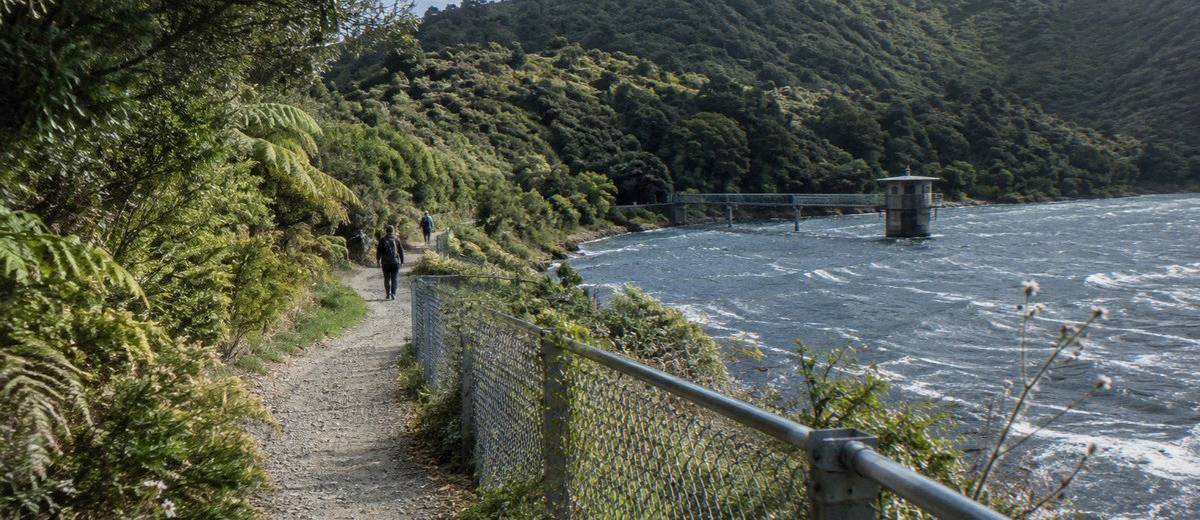
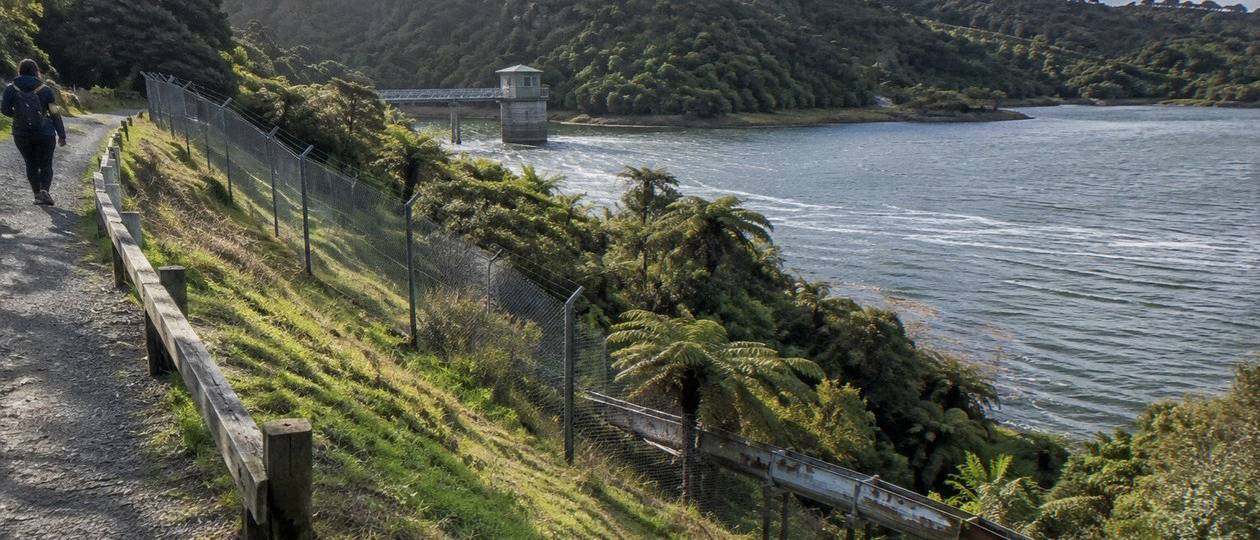
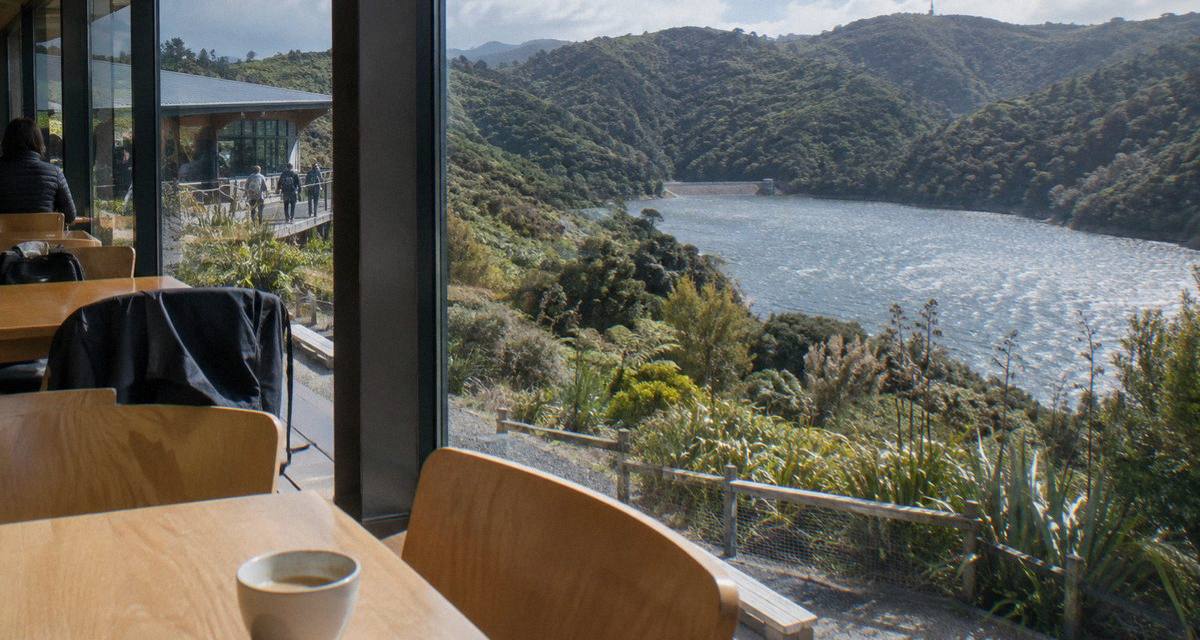
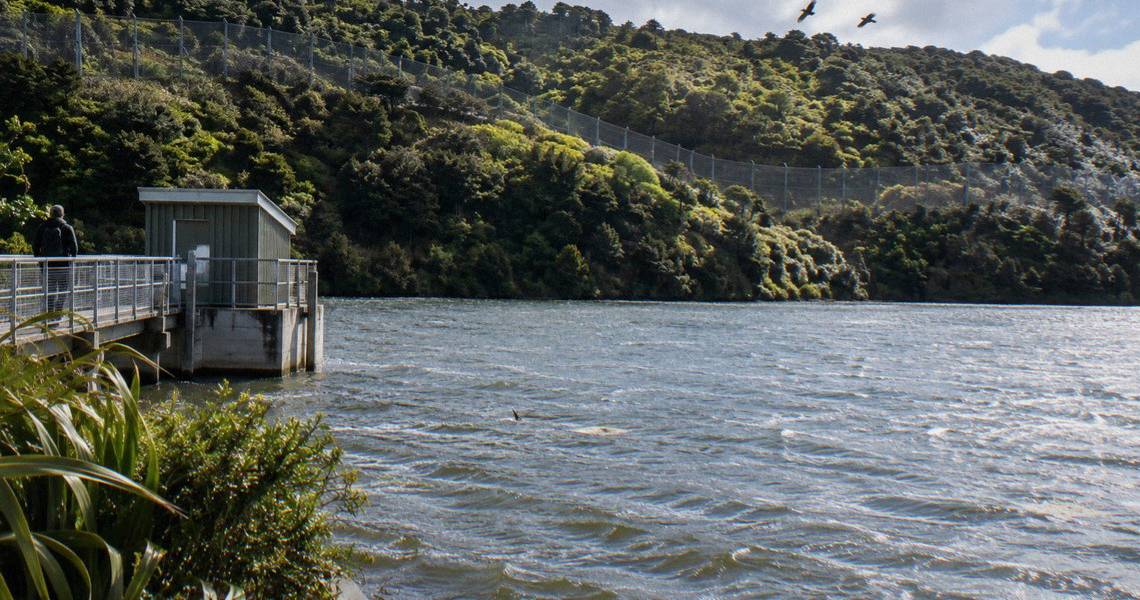
The route reaches the lower dam and wetlands, the reservoir sitting below the visitor centre. The dam here was built as a concrete gravity structure, completed in 1908, when the valley still served as a Wellington water supply. Wetland margins around the water are where several of the sanctuary's rare waterfowl and forest birds gather, and the group pauses where the birds are.
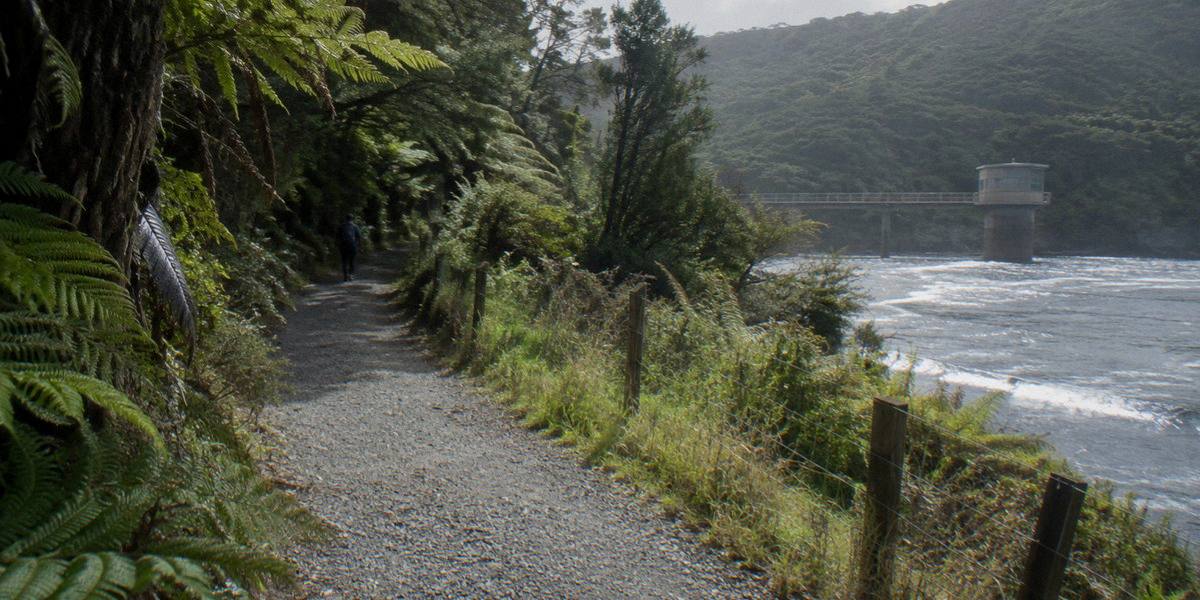
The tour loops back to the visitor centre after about two hours on the track. One detail changes the value of the visit: the ticket also covers General Admission for the following day. Anyone who wants a second, self-guided wander through the valley, at their own pace and without the group, can return the next day at no extra entry cost. That admission runs to the normal 5pm closing time, with last entry at 4pm, so the second day allows a fuller exploration of the more than 32 km of tracks than a guided two hours can cover. Photography is allowed throughout the walk, and sturdy shoes plus a waterproof layer are the practical kit for a valley that runs in almost all weather.
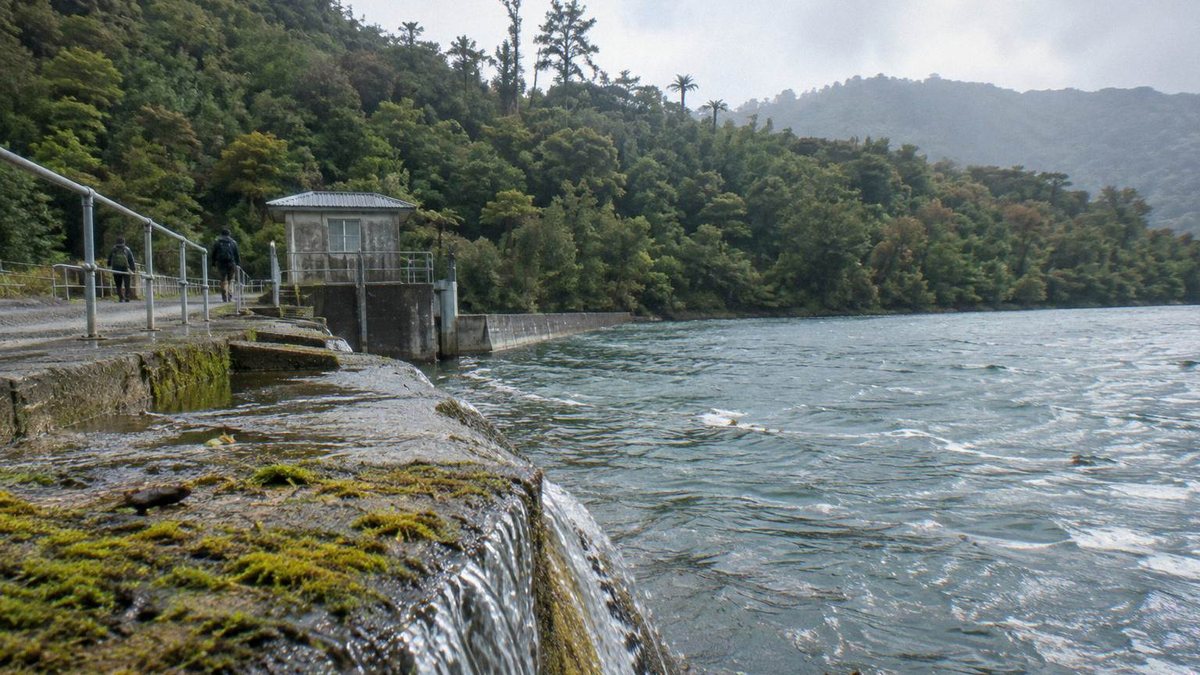
The valley floor is not a paved promenade. Tracks mix slope, gravel and uneven ground, and the operator describes the day walk as not strenuous while still asking for a reasonable level of physical fitness. Sturdy shoes are the practical choice. Some of the tracks are wheelchair accessible and prams can be used on much of the lower valley, with a lift in the visitor centre and free mobility scooters available if you ask ahead.
Wellington weather does not pause for tours. The day walk runs in almost all conditions, and the listing's advice is simple: dress appropriately. Warm clothes and a waterproof layer cover most of what the valley throws at a group, with only extreme conditions likely to call a departure off.
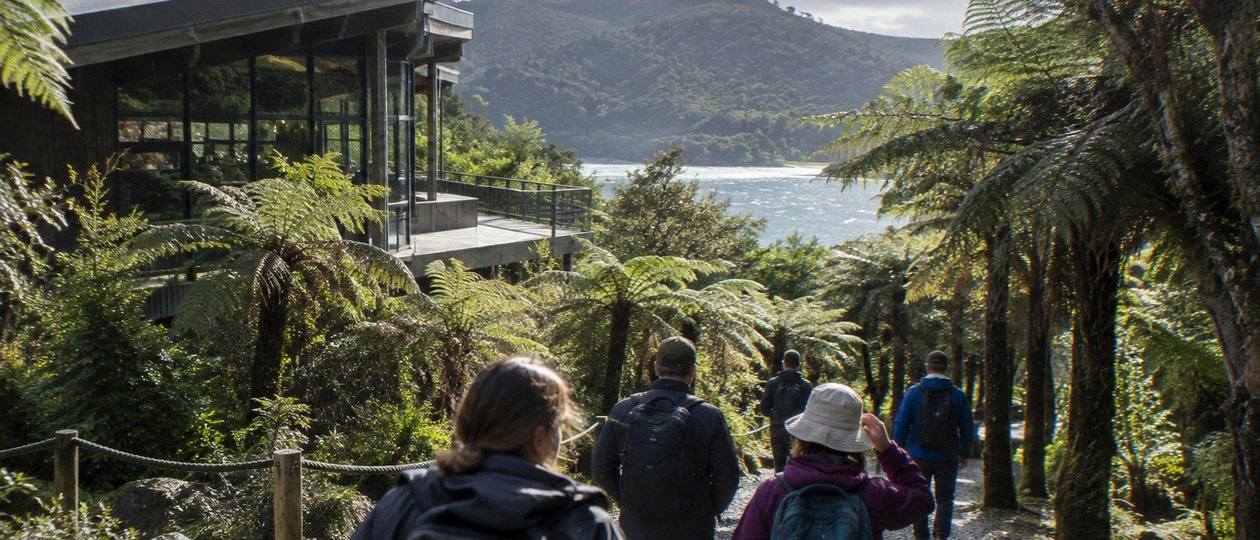
The small-group format is capped at 12 people per tour group, which keeps questions audible and lets the guide adjust to what the forest is doing that day. Children must come with an adult, infants can ride in a pram or on an adult's lap, and under 5s join free with no minimum age applied. Every tour runs with a professional guide from the sanctuary's own operation.
Zealandia tickets for the day tour carry more than the walk itself. The tour ticket includes General Admission on the day of the tour and the day after, so a two-hour guided walk can stretch into two days of independent exploring. Food, drinks and lunch are not included, nor is hotel pickup: the meeting point is the visitor centre itself, and the listing asks visitors to arrive 15 minutes before the start time. Alcoholic beverages are available to purchase separately. Anyone considering a service animal should enquire before booking, as service and guide dogs only are admitted, with advance notice. Private tours are also possible for groups wanting the valley to themselves.
| Tour | Time Of Day | Listed Length | Minimum Age | Group Size |
|---|---|---|---|---|
| Small-Group Day Walk | Daytime | 2 hours | None (under 5s free) | Up to 12 |
| Twilight Walk, 2 Hours 30 Minutes | Dusk | 2 hours 30 minutes | 5 | Check booking page |
| Night Walk, 2 Hours 30 Minutes | After dark | 2 hours 30 minutes | 12 | Up to 12 |
| Forest Plant Walk | Daytime | 2 hours | Check booking page | Up to 12 (official Forest Secrets page) |
The four Zealandia tours map onto three kinds of light: full daylight, dusk, and full dark. Choosing between them is mostly a question of which animals you hope for, who is in your group, and how late you want to be in a valley at night.
Daytime is the domain of the Zealandia by Day walk and the Forest Secrets plant walk. Both last 2 hours and neither sets a minimum age. The day walk runs daily with departures from 10am and more in summer, capped at 12 people. Forest Secrets runs Sunday mornings at 10:30am, also capped at 12, and trades the general wildlife focus for a closer read of the forest's plants. By day, the guides look for takahe, tuatara, hihi, kaka, tieke, toutouwai and pateke, alongside tui, kereru and korimako. Nocturnal species, especially kiwi, are very unlikely in daylight hours.
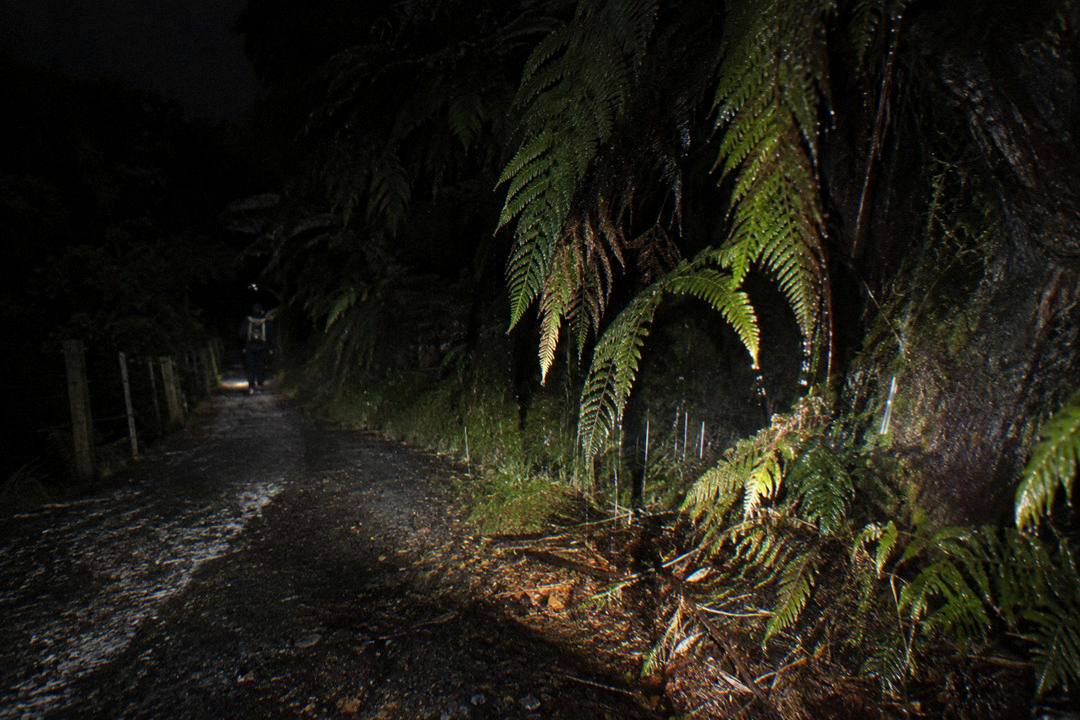
Dusk belongs to the twilight walk. Listed at 2 hours 30 minutes with a minimum age of 5, it begins in light and finishes in dark, catching both halves of the valley's day. Its group size is not stated on the listing, so the booking page is the place to confirm current details. After dark, the night walk takes over: the same listed length, a minimum age of 12, and a group cap of 12. It starts around dusk, with the exact time confirmed at booking, which means winter departures begin early and midsummer ones very late indeed.
The after-dark walks share the valley's biggest draw and its biggest caveat. Little spotted kiwi are seen on most night tours but never guaranteed. The night walk also looks for tuatara, takahe, pateke, wetapunga, Hamilton's frog, ruru, titiwai glow-worms and kaka, and ends with a warm kawakawa, lemongrass and ginger tea at the visitor centre.
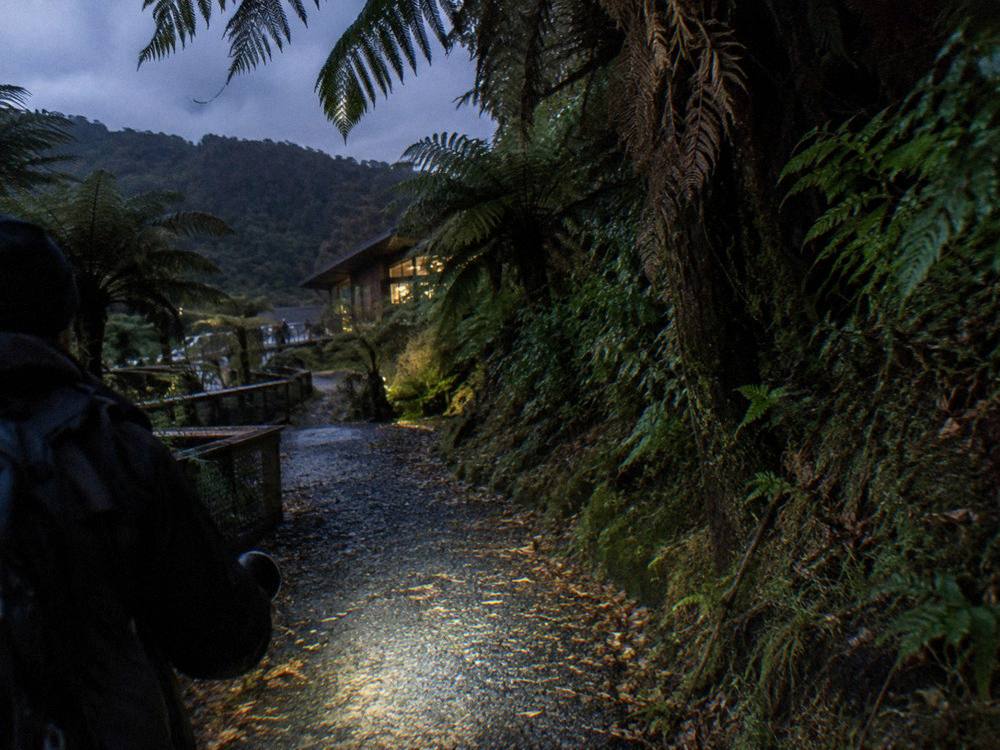
A practical pattern for visitors with two days: book the day walk first, use the included next-day admission to revisit the valley alone, and add a night walk if the hours suit. A Zealandia day tour in the morning and a night walk the same evening is also a workable pairing, since the tours start and end at the same visitor centre.
The day walk is the natural fit. No minimum age applies, under 5s are free, small children can ride in a pram or stroller on much of the lower valley, and infants can sit on an adult's lap. Children must be accompanied by an adult throughout. Families with children under 12 who want an evening experience are pointed to the twilight walk, which sets its minimum age at 5 and runs from daylight into dark rather than starting in full night.
Visitors aged 12 and over can join the night walk, the tour on which little spotted kiwi are seen most often. Even there, sightings are never guaranteed, and the timing follows dusk, so the later the sunset, the later the start. Hamilton's frog is also sometimes seen on the night and twilight walks. Anyone happy with forest birds, takahe and basking tuatara as their headline species will find the day walk delivers the sanctuary's story in a friendlier time slot.
The Forest Secrets plant walk suits visitors who have already done a general walk or who want the botany of the restoration explained in depth: 2 hours on a Sunday morning at 10:30am, capped at 12, with no minimum age stated. The 500-year restoration vision behind the valley makes the plant layer the slowest-moving and arguably most ambitious part of the project, and this is the one Zealandia day tour that puts it front and centre.
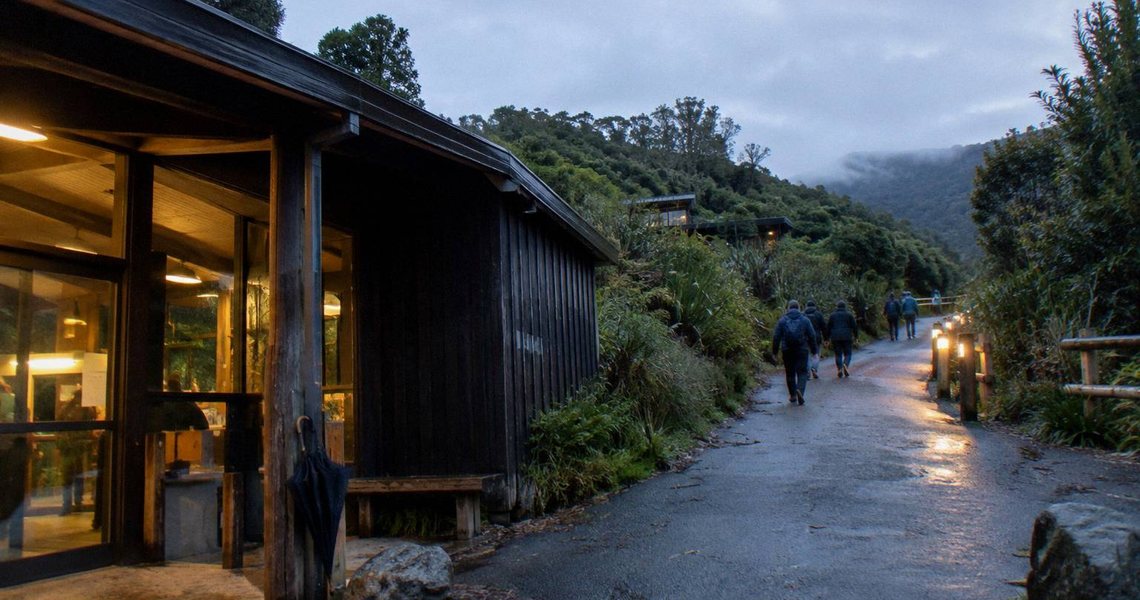
A daytime visit without a guide is also an option for families whose children are too young for evening walks, since every tour ticket includes General Admission for the following day. Whichever walk fits, all four Zealandia tours offer free cancellation up to 24 hours ahead, so a plan built around weather or a child's mood can shift without penalty.
Showing a starting shortlist of the walks with the most reviews. Answer any question below to rebuild it.
The day tour's species list reads like a field guide to rarity. Guides look for takahe, a flightless rail labelled Nationally Vulnerable, tuatara, the reptile often found basking on sunny days, and hihi, the stitchbird with its bold white eye-bars. Kaka, the forest parrot that returned in the early 2000s, frequently call overhead, and tieke and toutouwai, two songbirds that hop along the ground, are regular targets. Pateke, the brown teal, live around the wetlands. None of these is promised. The tour pages phrase every sighting as a "might see", which fits how a Zealandia day tour works: the animals are wild, inside a 225 hectare valley, and the guide's job is to know where they feed, bathe and bask.
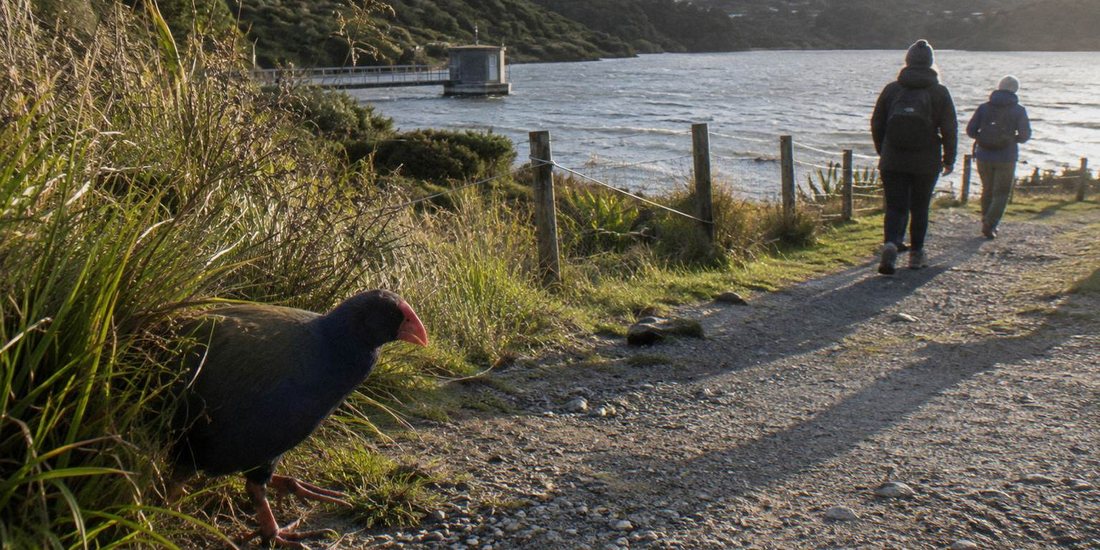
Understorey life fills out the walk. Tui, kereru, korimako, kakariki and popokotea move through the canopy, and weta turn up in the timber and leaf litter. The return years behind these populations tell the sanctuary's story. Forty little spotted kiwi arrived from Kapiti Island in 2000 and 2001, and that At Risk-Recovering species now numbers in the hundreds inside the fence. Tuatara came back in 2005 and 2007, the first mainland release of the ancient lineage. A pair of takahe arrived in 2011.
The night walk works a different list. After dark the guides look for tuatara, takahe, pateke, wetapunga, Hamilton's frog, ruru, kaka, banks of titiwai glow-worms and, above all, little spotted kiwi. Kiwi are seen on most night tours and never guaranteed, and they are very unlikely by day. The twilight walk, which crosses from daylight into dark, sits between the two lists. Between them, the Zealandia tours cover a remarkable span of a restored ecosystem, from ground-level frogs to canopy parrots, and the chances shift with the light.
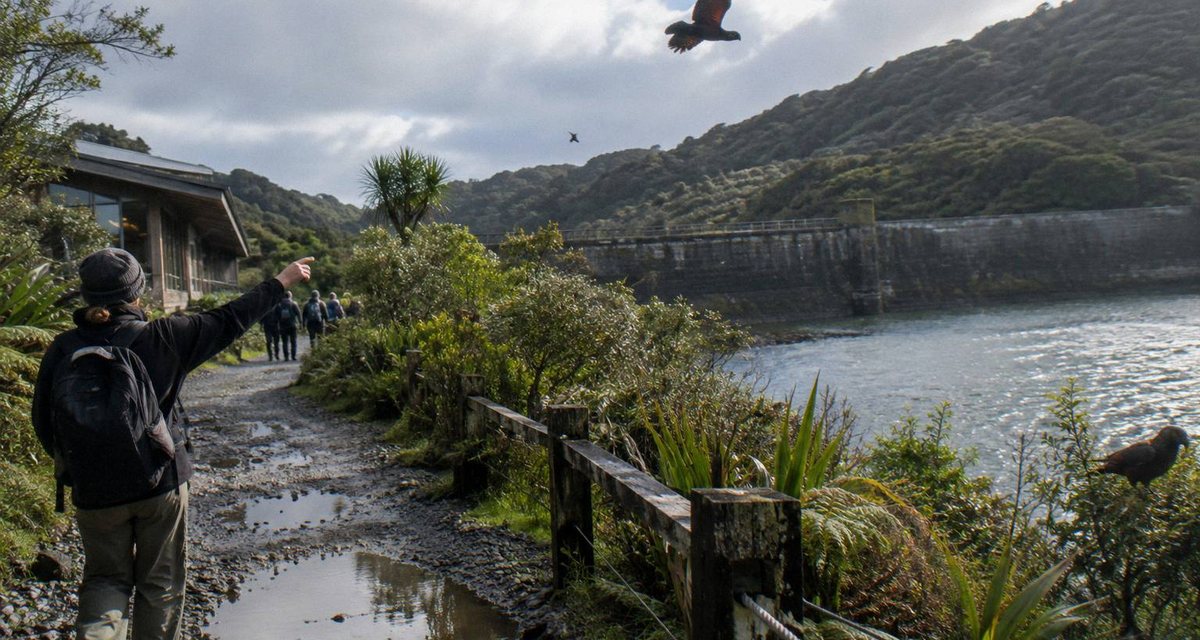
Little spotted kiwi are the sanctuary's signature species and its clearest lesson in probability. Forty birds came from Kapiti Island in 2000 and 2001, and the population is now estimated in the hundreds across the valley. The species is classed At Risk-Recovering, and Zealandia has become a source population, with birds moved to other sites. Yet no tour promises one. On the night walk, kiwi are seen on most tours and sightings are never guaranteed. By day they are very unlikely, asleep in burrows.
The two lists barely overlap. A Zealandia day tour looks for takahe, tuatara, hihi, kaka, tieke, toutouwai and pateke, plus the commoner forest birds. After dark the cast changes: ruru replace the daytime songbirds, wetapunga and Hamilton's frog, sometimes seen on night and twilight tours, emerge, and glow-worms light the banks. Tuatara and takahe appear on both lists, the tuatara often basking by day and more active in the cool of night.
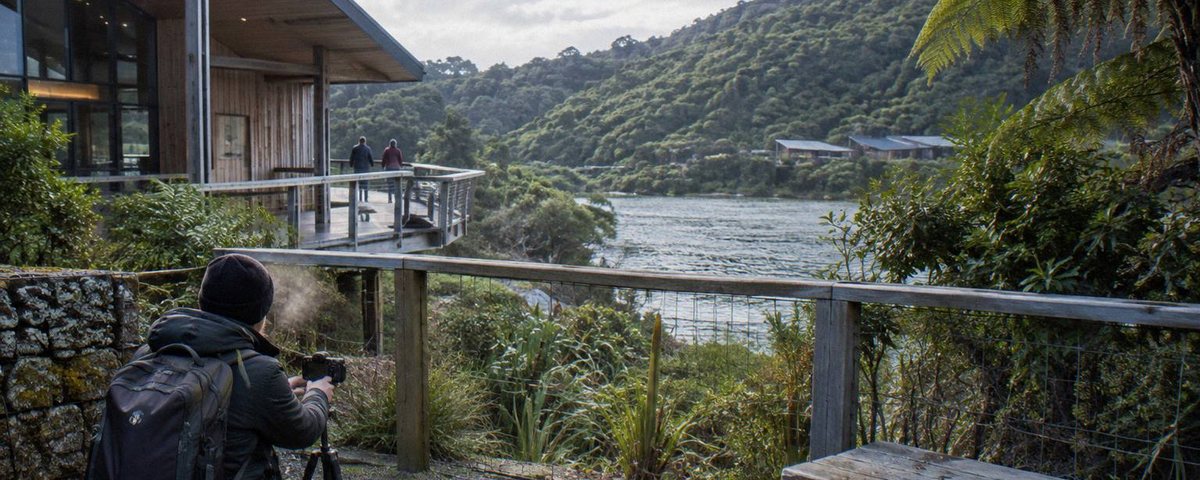
The phrasing matters. Inside the 8.6 km fence the animals live wild. A guide improves the odds with knowledge of territory and habit, and the thrill of a sighting comes from exactly that uncertainty. Booking Zealandia tickets for the night walk buys the best kiwi odds on offer, and the listing's own phrasing is "might see". Visitors who accept the gamble tend to leave with the better stories.
Every Zealandia day tour guide tells a story that begins with water, not wildlife. In 1876 to 1878 an earth dam was built across the Karori valley to supply Wellington, one of the first of its kind in the city. A concrete gravity dam followed in 1908, and the upper dam was retired in 1991, leaving a retired reservoir basin at the head of the valley.
The wildlife chapter starts in 1992, when Jim and Eve Lynch put forward a proposal to turn the water reserve into a fenced sanctuary. The Karori Sanctuary Trust launched in 1995, and by 1999 the fence was finished: 8.6 km of predator-exclusion barrier ringing 225 hectares, the world's first fully fenced urban ecosanctuary. Inside that perimeter lie more than 32 km of walking tracks today, threading regenerating forest around the old dams and wetlands.
Restoration is measured in centuries, not seasons. The sanctuary operates on a 500-year vision, because trees such as rata and rimu take hundreds of years to reach full height. That long horizon is part of what the guides explain on a two-hour walk: the valley visitors see is an early chapter, not a finished product. A not-for-profit trust runs the operation with more than 500 volunteers, and the effort has been recognised, most recently with the 2023 Air New Zealand Supreme Tourism Award.
The timeline a guide walks through runs quickly once the fence is up. Little spotted kiwi arrived from Kapiti Island in 2000, tuatara returned in 2005 and 2007 as the first mainland release, and a pair of takahe came in 2011. Before any of that, the eradication crews emptied the valley of mammalian pests. The numbers give the story its shape: two dams, one fence, a 500-year plan, and a valley that switched from holding a city's drinking water to holding its rarest birds.
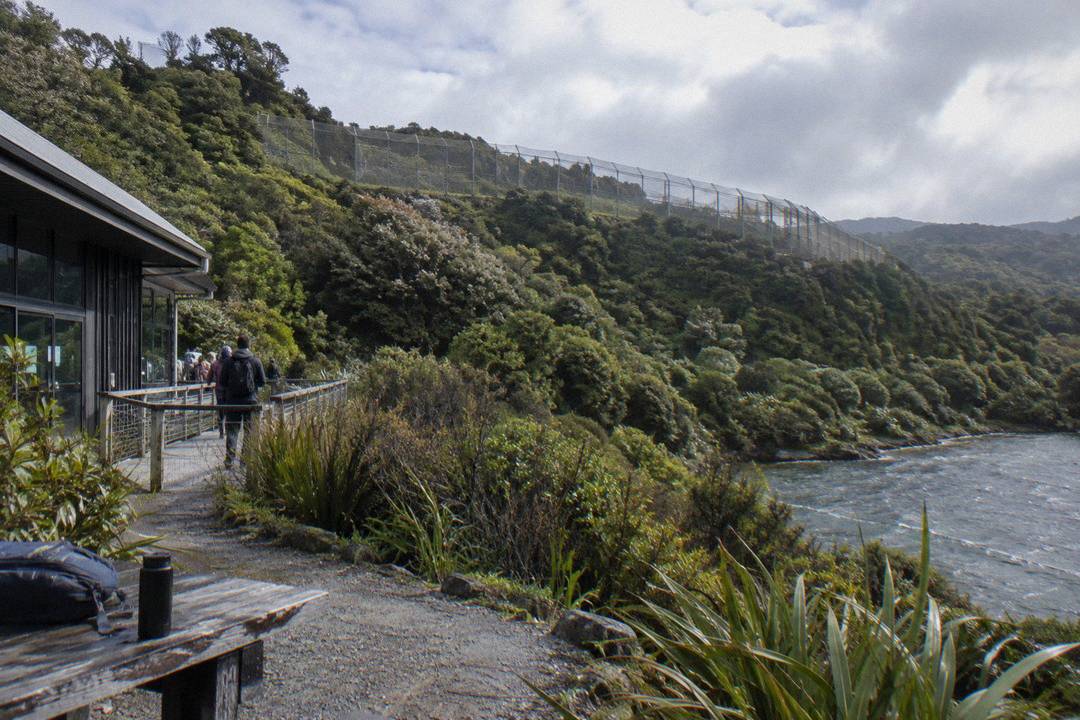
The barrier runs 8.6 km around the valley, 2.2 m high with a skirt buried below ground and mesh fine enough to stop even the smallest mammals. Finished in 1999, it made Zealandia the world's first fully fenced urban ecosanctuary. The point of the fence is subtraction: once sealed, the valley could be emptied of predators. Possums and hedgehogs were gone by the end of 1999, and the last rabbit was removed in 2000. Thirteen species were eradicated in total, creating the mammalian predator-free zone the tours now walk through. Visitors take part in the defence themselves, checking their own bags and pockets for seeds and stowaways at the biosecurity double gates.
With the valley cleared, the returns began. Forty little spotted kiwi arrived from Kapiti Island in 2000 and 2001, the founding population of a species now At Risk-Recovering and numbering in the hundreds inside the fence. Kaka came back in the early 2000s, followed by tuatara in 2005 and 2007, the first mainland release of the ancient reptile. Hamilton's frog returned in 2005, hihi in 2005 as well, and a pair of takahe, Nationally Vulnerable, arrived in 2011.
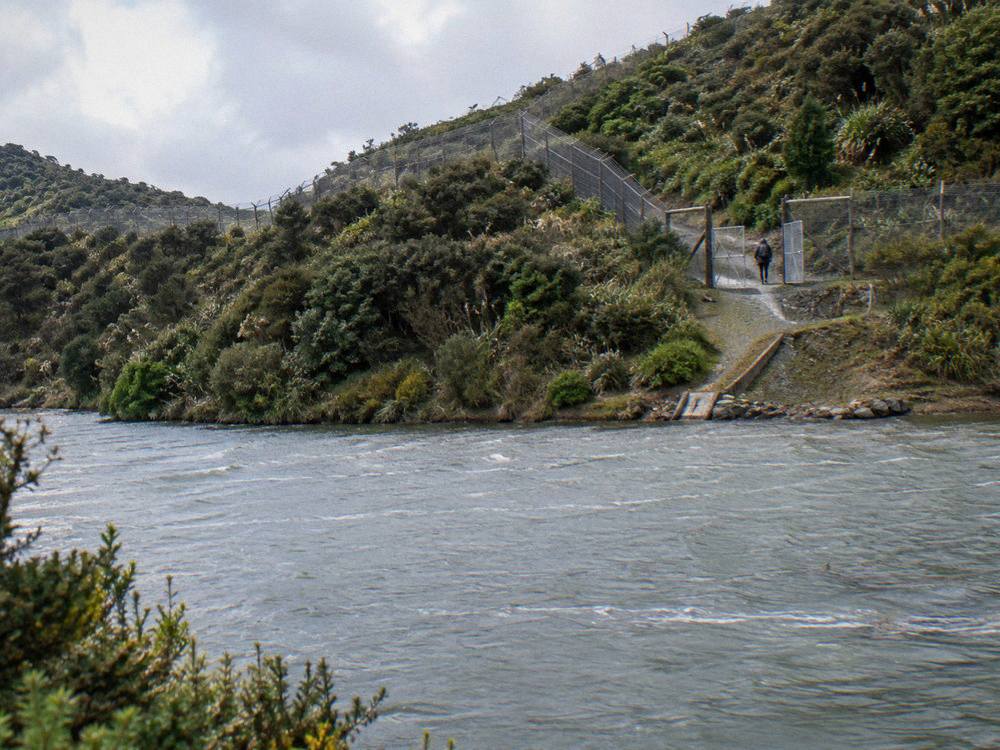
None of this is static. The trust behind the sanctuary works with more than 500 volunteers on a 500-year restoration vision, moving species on to other sites as populations grow. The fence made the returns possible; the daily work keeps them alive.
Each is a floor price, per person, and the booking page shows the live figure for a chosen date. Dates, seasons and demand move the number above the floor, so treat these as the entry point of the range rather than a fixed fare.
The ladder has a clear shape. The two daytime walks, both two hours long, sit at the same from-price. The twilight and night walks, both two and a half hours and both running after dark, cost more, with the night walk at the top of the ladder. Ratings on the listings sit at 4.8 for the day, night and twilight walks, from 252, 164 and 84 reviews respectively; the plant walk is a new listing with no rating to print.
One detail changes the value calculation on every option: Zealandia tickets for any guided tour include a General Admission ticket valid on the day of the tour and the day after. A visitor on the day walk can return the next morning and walk the valley's tracks alone, at no further entry cost, which is worth building into a Wellington itinerary. The sanctuary opens 9am to 5pm with last entry at 4pm; check the official site for current hours.
What the from-price does not cover is consistent across the Zealandia tours: food and drinks, lunch and hotel pickup and drop-off are all excluded on the day walk listing. The tour meets inside the visitor centre at 53 Waiapu Road, and travellers are asked to arrive 15 minutes before the start time.
Two rungs, then two higher ones. The Zealandia day tour and the Forest Secrets plant walk, both listed at two hours and both starting from NZ$70 per person, occupy the bottom of the ladder. Above them sit the twilight walk at NZ$110 per person and the night walk at NZ$120 per person, each two and a half hours. The premium buys length and darkness: after dusk the sanctuary changes character, and the night walk carries the best odds of hearing or seeing little spotted kiwi.
All four listings state free cancellation up to 24 hours ahead. That margin matters most for the night and twilight walks, where Wellington weather can turn a valley dark and wet in the space of an afternoon. The day walk runs in almost all conditions and may only be called off in extremes, so the cancellation window is more often used for itinerary changes than for weather retreats.
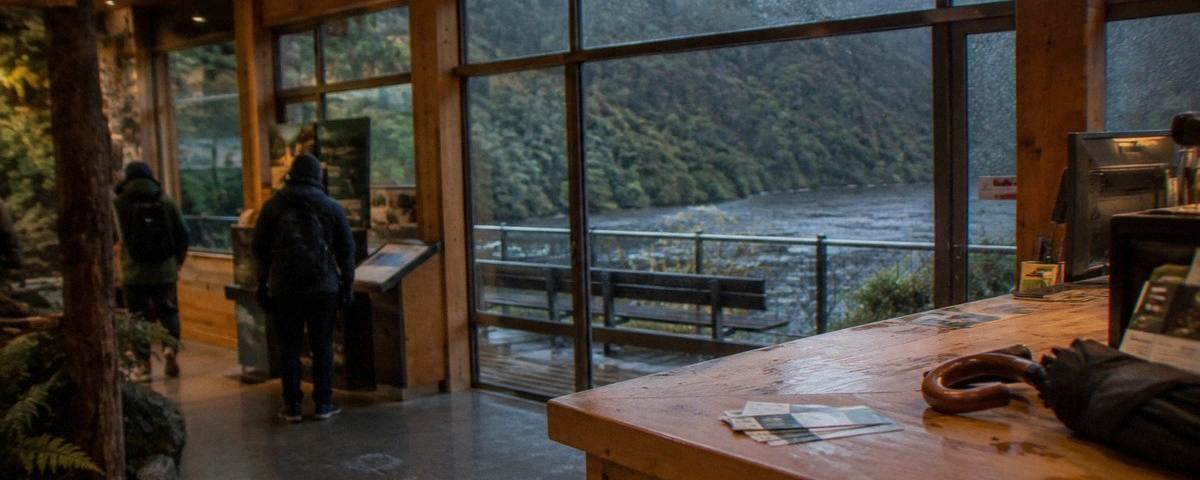
Whichever rung a visitor picks, the tour ticket includes General Admission for the tour day and the following day. That inclusion softens the step up the ladder: the higher-priced walks effectively bundle a second, self-guided visit. Booking Zealandia tickets early in a stay leaves that spare day free for a return walk on the 32 km of tracks.
The core inclusions on the Zealandia day tour listing are a professional guide and a tour ticket that also covers General Admission on the day of the walk and the day after. That second day is easy to overlook and genuinely useful: the valley holds more than 32 km of tracks, and a two-hour guided loop only samples it. Everything else on the walk is knowledge, delivered by a guide who knows where takahe graze and tuatara bask.
The exclusions are just as clear. No food or drinks are included, no lunch, and there is no hotel pickup or drop-off. The meeting point is inside the visitor centre at 53 Waiapu Road, Karori, and the listing asks visitors to arrive 15 minutes before the start time. Alcoholic beverages are available to purchase separately. The sanctuary is reachable by a free electric shuttle from outside Takina Convention Centre or the top of the Cable Car, though space on the shuttle is not guaranteed and ticket holders get priority seating if they arrive 10 minutes early.
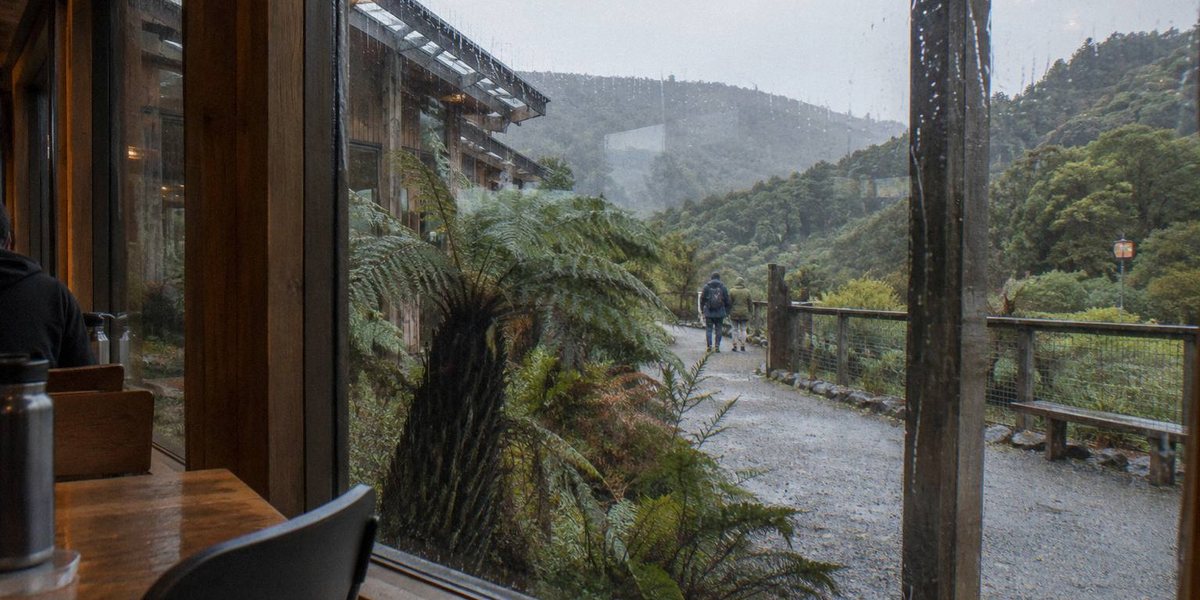
What to wear follows the ground and the sky. The walk covers slopes, gravel and uneven terrain: sturdy shoes, warm clothes and a waterproof layer are the standing advice, and the tour runs in almost all weather, so Wellington's drizzle is part of the deal rather than a reason to rebook. A moderate level of physical fitness is asked for, though the route is not described as strenuous.
Two further rules shape the kit list. Service and guide dogs only are admitted, with advance notice, and never at night. And before entry, everyone checks their own bags and pockets for seeds, mice and lizards at the biosecurity gates, a small ritual that protects everything the fence was built to keep safe. Children must be accompanied by an adult, and photography is allowed on the tour.
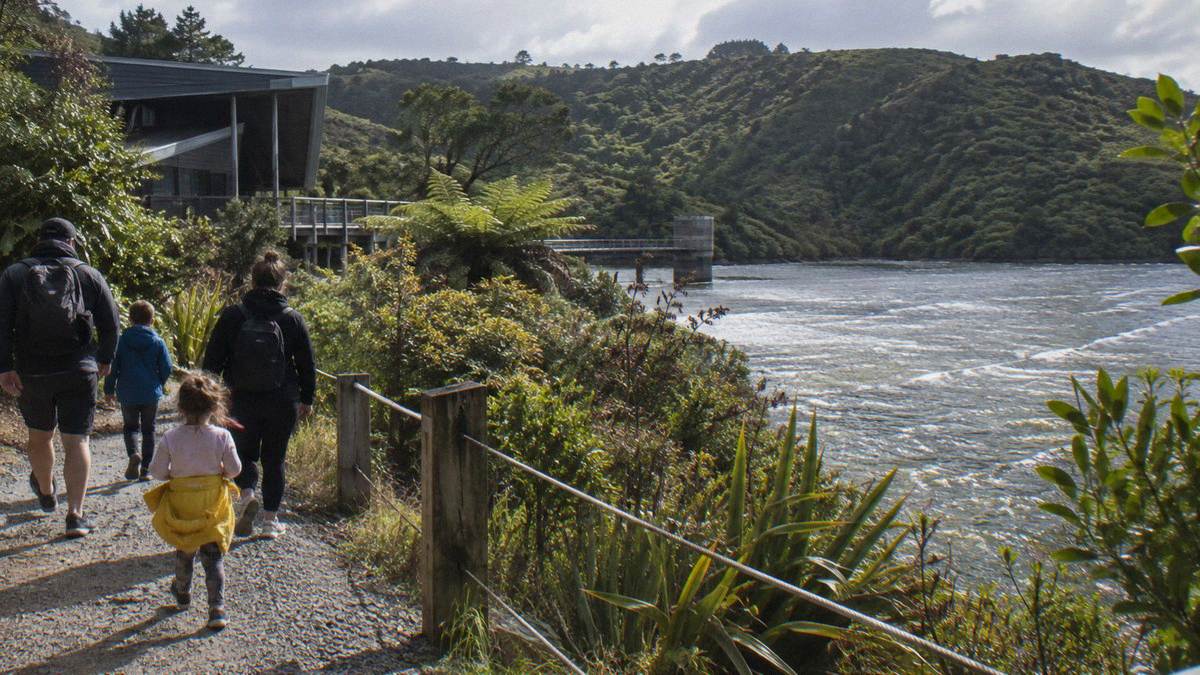
A large area of the lower valley is wheelchair accessible, and the visitor centre has a lift. Free mobility scooters are available, and the advice is to ask ahead so one is ready. Some of the tracks are wheelchair accessible according to the listing, and private tours can be arranged for visitors who want a route matched to their needs. A companion enters free. The free shuttle has no chairlift, so wheelchair users travelling from the city need another option, and accessible toilets and mobility parking are provided on site.
The day tour has no minimum age, and under 5s go free. The listing states that infants and small children can ride in a pram or stroller, and that infants must sit on an adult's lap where needed. Children must be accompanied by an adult throughout. Families with children under 5 who want an after-dark experience should note the higher age floors elsewhere in the Zealandia tours: the twilight walk requires a minimum age of 5, and the night walk 12.
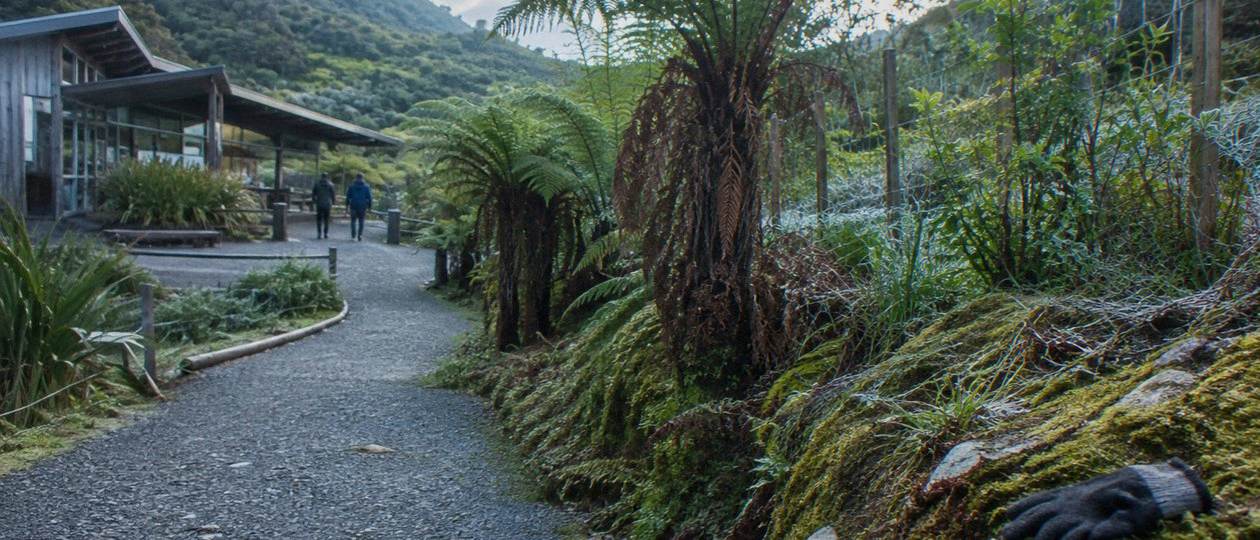
Photography is allowed on the tour, and the canopy parrots and basking tuatara reward a long lens. Service and guide dogs are the only dogs admitted, with jacket and certification and a call before booking. They are never permitted in the sanctuary at night.
Loading the map. Every place is also listed below.
Map tiles and place names: © OpenStreetMap contributors
The meeting point for every Zealandia day tour is the visitor centre at 53 Waiapu Road, Karori, Wellington 6012, at the end of a valley road on the city's western side. Tours start inside the visitor centre, and the listing asks visitors to arrive 15 minutes before their tour start time. That buffer matters more here than at most attractions, because everyone entering the sanctuary checks their own bags and pockets for seeds and stowaways at the biosecurity double gates before the walk begins.
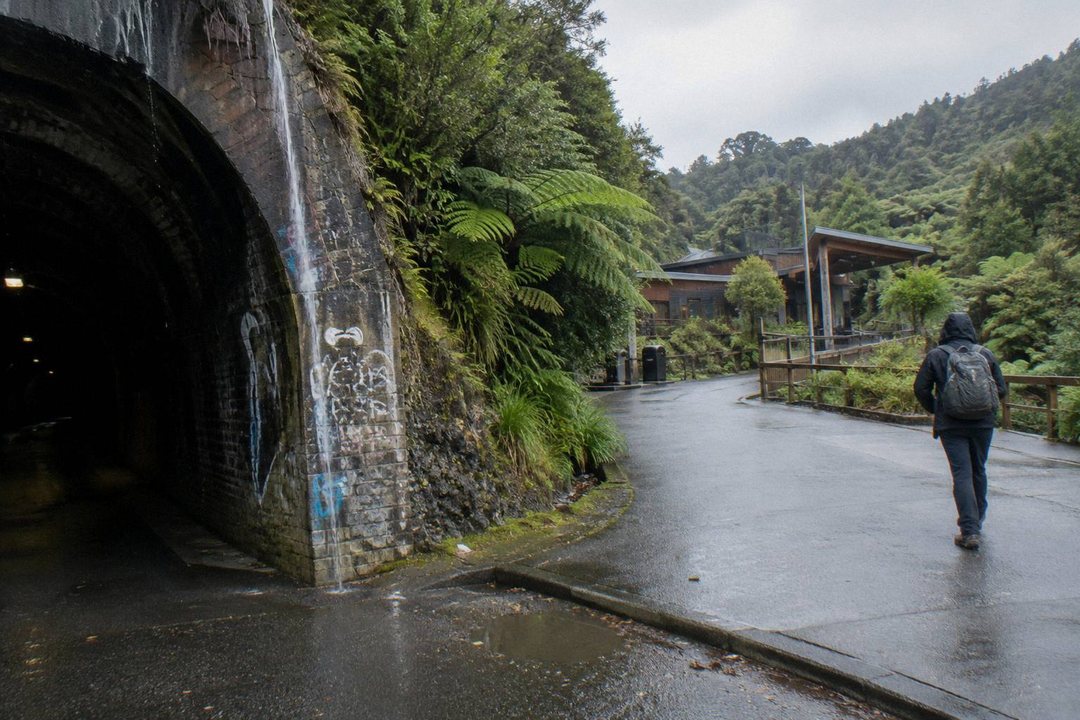
A free electric shuttle connects the sanctuary with the central city. It picks up outside Takina Convention Centre on Wakefield Street and at the top of the Wellington Cable Car in Kelburn, and the ride takes about 10 to 15 minutes. The shuttle has 11 seats, so space is never guaranteed. Tour ticket holders get priority seating if they arrive 10 minutes early, which is worth knowing in the busier summer months when departures from 10am multiply.
| Route | Starts At | What To Know |
|---|---|---|
| Free electric shuttle | Outside Takina Convention Centre, 217 Wakefield Street | About 10 to 15 minutes; 11 seats; space not guaranteed; tour ticket holders get priority seating if they arrive 10 minutes early |
| Free electric shuttle | Top of the Cable Car, Kelburn | Same shuttle service; space not guaranteed |
| Cable Car and walk | Lambton Quay terminus to the top of the Botanic Garden | About a 30-minute walk to the sanctuary |
| Public bus | Northland Road stop 4921 or Birdwood Street stop 5380 | About a five-minute walk from either stop |
| Car | End of Waiapu Road, Karori | Limited parking; overflow car park on Birdwood Street, about 500 m away |
Visitors who prefer the scenic approach can ride the Cable Car from its Lambton Quay terminus to the top of the Botanic Garden. From there it is about a 30-minute walk down through the garden to Waiapu Road, or a short wait for the shuttle from the same stop. Public buses stop at Northland Road and Birdwood Street, each about a five-minute walk from the sanctuary entrance, and the Birdwood Street area also holds the overflow car park when the limited parking at the end of Waiapu Road fills. The Karori Tunnel, with its 3.05 m height limit, is the landmark on the approach from the city for anyone driving. All Zealandia tours meet at the visitor centre itself, so whichever route you choose, the finish line is the same building.
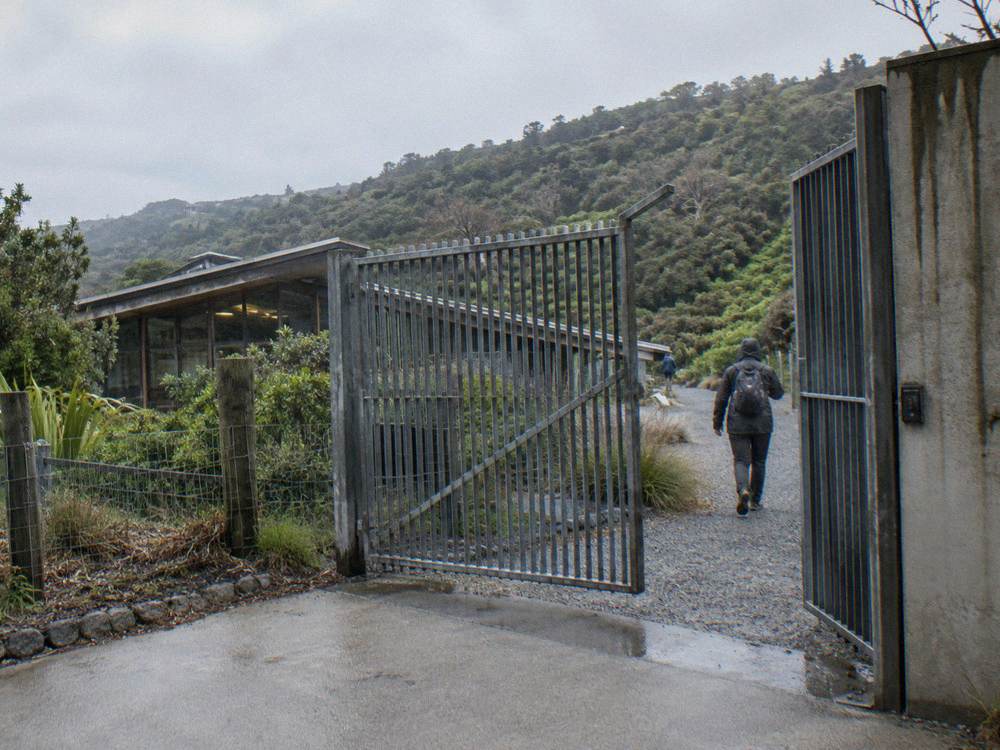
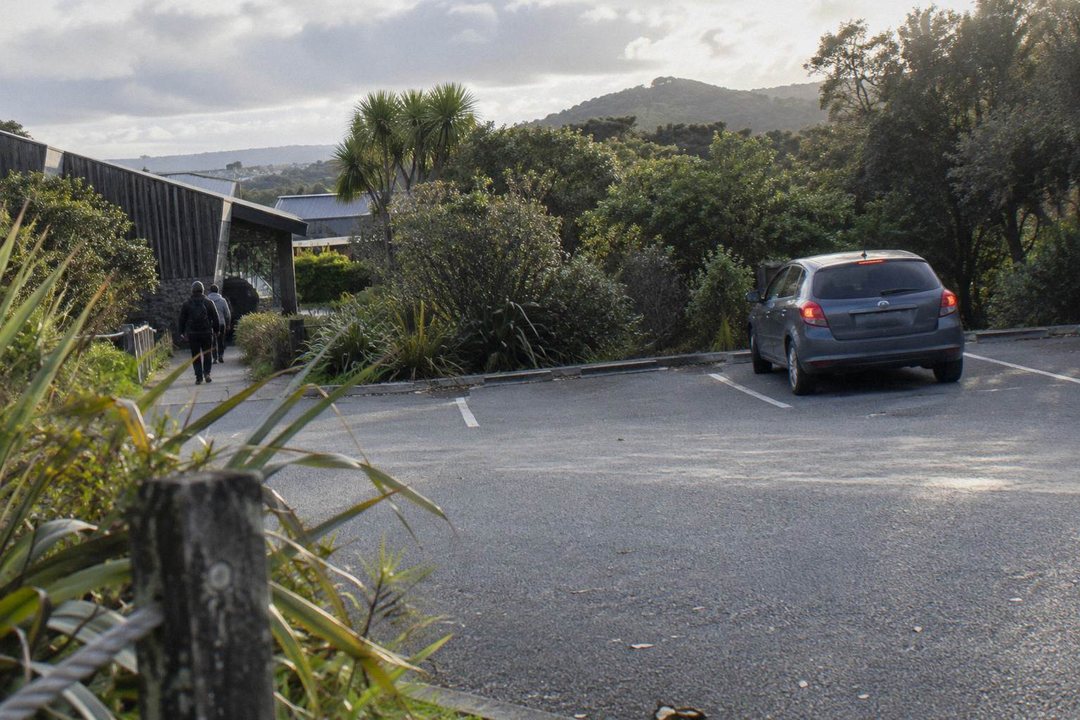
Parking at the end of Waiapu Road is limited. The overflow car park sits on Birdwood Street, about 500 m away, and drivers using it register their plate at the ground-floor kiosk. Larger campervans, over 5.4 m long or 2.4 m wide, must use the overflow car park or Chaytor Street. The Karori Tunnel caps vehicle height at 3.05 m, a figure worth checking before setting out from the city in a tall van.
Two map markers sit well outside Karori: the Wellington Cruise Terminal at Aotea Quay and Wellington Airport. No Zealandia shore-excursion product exists, so anyone arriving by ship or plane arranges the visit independently. From the terminal the central city is a short hop along the waterfront toward the Takina shuttle stop on Wakefield Street. From the airport, the route runs through the city to the same shuttle stops or, for drivers, through the Karori Tunnel to Waiapu Road. A Zealandia day tour therefore works for port and plane arrivals alike, but the connection from either is self-organized.
Zealandia is open every day except Christmas Day. The sanctuary runs 9am to 5pm with last entry at 4pm, and the Zealandia by Day walk departs daily from 10am, with extra departures added through the summer months when demand and daylight both rise. Check the official site for current hours before planning around a specific departure.
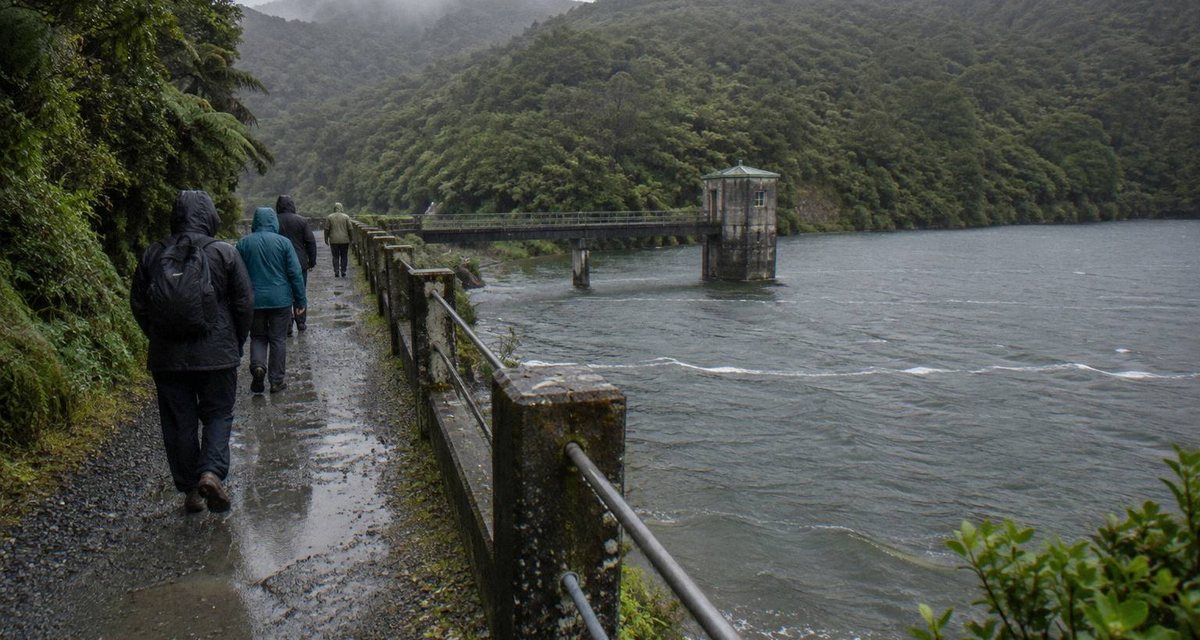
Weather shapes the valley more than it shapes most city attractions. The tour runs in almost all conditions and the operator asks only for sturdy shoes, warm clothes and a waterproof layer, because the walk covers slopes, gravel and uneven ground. Rain in the valley often means quieter tracks and fresher bird activity, while clear mornings bring the light photographers want on the lower reservoir. Tours may be called off in extreme conditions, but ordinary Wellington wind and drizzle are part of the deal rather than a reason to stay away.
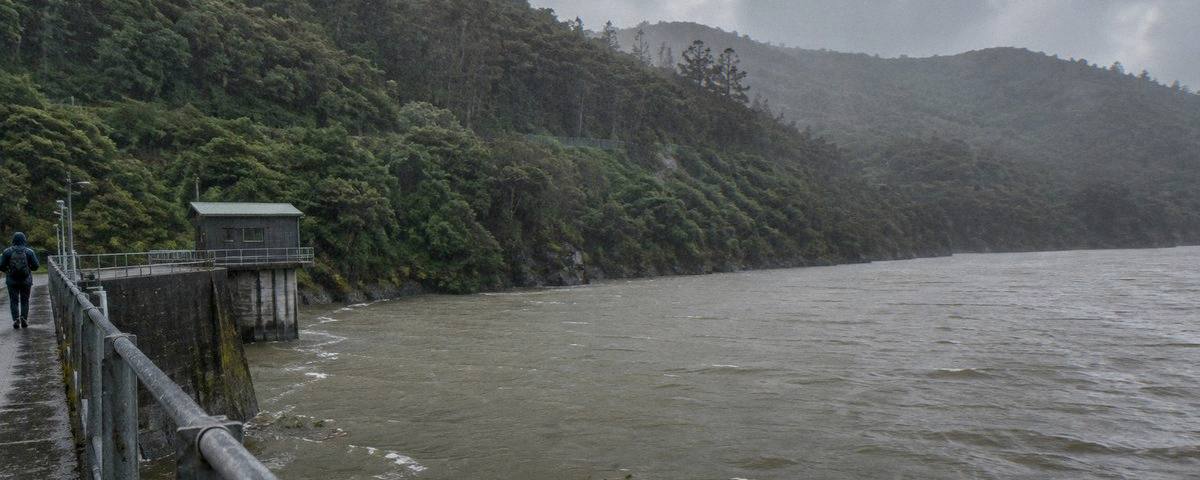
Cancellation terms are the same across all four Zealandia tours: free cancellation up to 24 hours ahead. That flexibility suits a city where the forecast can swing between visits, since a booking can move a day without penalty. It also pairs well with the ticket structure, because every tour ticket includes a General Admission ticket valid for the tour day and the day after. A rained-off morning still leaves the second day to walk the tracks alone. For visitors weighing Zealandia tours against each other, the toggle above breaks the choice into daylight, dusk and darkness: the day walk has no minimum age, the twilight walk takes children from 5, and the night walk starts at 12.
Season changes which walk fits. In summer, dusk arrives late, so the twilight tour, which runs October to March, stretches from bright evening into early dark, a long arc across the transition when daytime birds quieten and nocturnal ones stir. The night tour starts around dusk, a time confirmed at booking, which means a late start in midsummer and a far earlier one in winter.
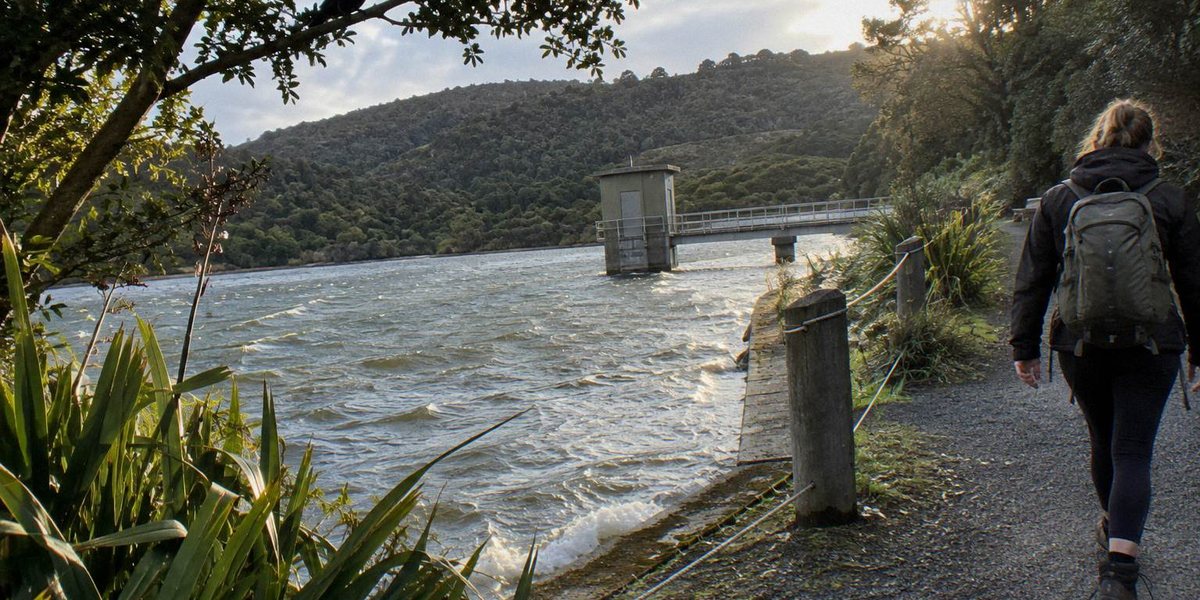
From April to September the kids' night walks take over the family slot, with a minimum age of 5, while the twilight tour pauses. Winter's early darkness makes the night tour practical for families with children over 12 and for anyone who wants the after-dark valley without a late finish. Day tours run year-round and unchanged, departing from 10am daily, so the daytime Zealandia day tour remains the constant whatever the season. The Forest Secrets plant walk, Sunday mornings at 10:30am, is another daylight option, with no minimum age stated on its page.
Wellington stacks neatly around a valley visit. The Wellington Cable Car climbs from its Lambton Quay terminus to Kelburn, and the top station doubles as one of the two free shuttle stops for Zealandia, alongside Takina Convention Centre on Wakefield Street. Ride up, then take the shuttle or the roughly 30-minute walk through the Wellington Botanic Garden down toward Waiapu Road.
The Botanic Garden itself deserves more than a pass-through. The walk-in route from the Cable Car top drops through planted slopes toward the sanctuary valley, and the two landscapes make a natural pairing: ornamental garden above, restored native forest below.
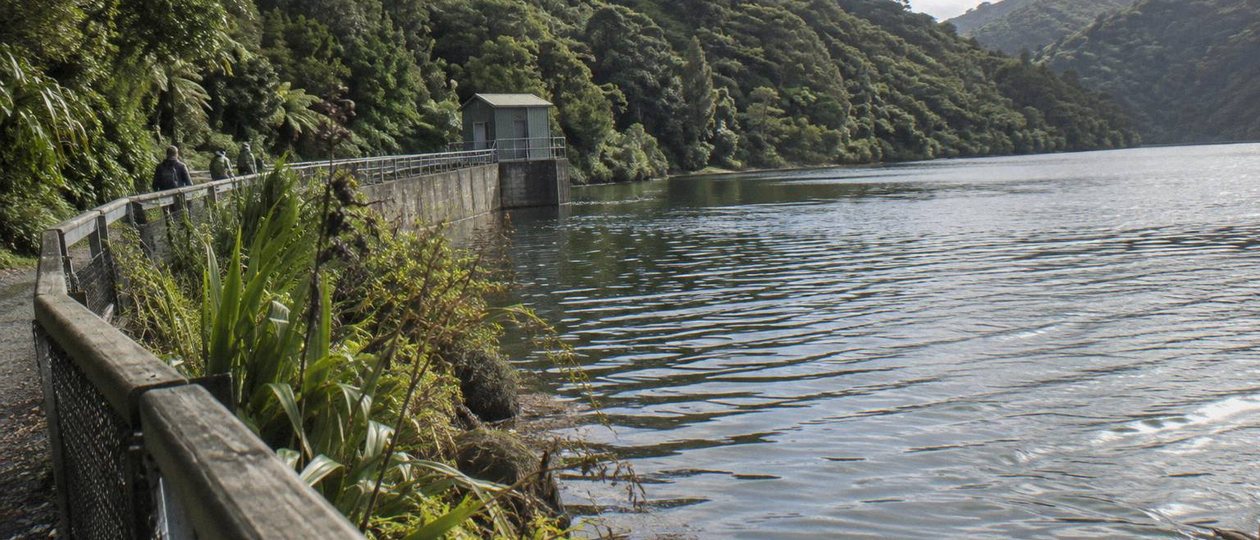
Back in the central city, Te Papa Tongarewa, the national museum, sits on the waterfront near the Takina shuttle stop area, which makes a museum morning and an afternoon walk in the valley an easy combination on one shuttle route. Across town in Miramar, Weta Workshop is the city's best-known screen-effects attraction; visitors should confirm the visitor entrance before travelling, as it sits apart from the working studios. Mount Victoria Lookout rounds out the map for anyone who wants the panorama that explains the geography: the harbour on one side, the town belt and the Karori valley on the other.
None of these depends on the other, but the geography works in favour of anyone planning a full Wellington day rather than a single stop. A Zealandia day tour sits at the western edge of that map, and everything else clusters along the line between the waterfront and the Cable Car.
A morning walk in the sanctuary leaves the afternoon open. Because every tour ticket includes General Admission valid for the next day as well, a morning visitor can return the following day to rewalk favourite tracks alone, or spend that second day entirely in the city. An afternoon departure flips the order: Te Papa or the waterfront first, then the shuttle from Takina to Karori.
The Cable Car and Botanic Garden route turns travel into part of the day. Coming back from the valley, the shuttle drops at the Cable Car top, and the ride down ends a short walk from Lambton Quay. Weta Workshop in Miramar suits a different day or a later start, given the cross-town distance. The common thread is the shuttle's two stops: nearly every sensible Wellington plan touches Wakefield Street or Kelburn, and both feed the same road to Waiapu.
The table prints ratings and review counts for three of the four walks. The Forest Secrets Plant Walk is a new listing with no rating yet, so no rating or review count appears for it here.
Lengths come straight from the listings: two hours for the day walk and the plant walk, two hours 30 minutes for the twilight and night walks. Minimum ages are printed as listed, none for the day walk with under 5s free, 5 for twilight and 12 for night. Where the listing did not state a figure, the table says so rather than filling the gap. From-prices, where shown, are NZ$ per person from the listing reads, and all four tours carry free cancellation up to 24 hours ahead.
| Trip | Listing Rating | Listed Length | Minimum Age |
|---|---|---|---|
| Small-Group Day Walk | 4.8 from 252 reviews | 2 hours | |
| Night Walk, 2 Hours 30 Minutes | 4.8 from 164 reviews | 2 hours 30 minutes | 12 |
| Twilight Walk, 2 Hours 30 Minutes | 4.8 from 84 reviews | 2 hours 30 minutes | 5 |
| Forest Plant Walk | No rating yet | 2 hours |
Lodging near the shuttle stops simplifies a valley visit more than lodging near the sanctuary itself, because Karori is residential and the tours all meet at the visitor centre anyway. Wellington CBD is the practical base: hotels there sit within walking distance of the Takina Convention Centre stop on Wakefield Street, where the free electric shuttle leaves for Waiapu Road. Kelburn is the second option, near the Cable Car top, the shuttle's other pickup point. Space on the shuttle is not guaranteed, so staying near a stop mainly saves the drive and the hunt for the limited parking at the end of Waiapu Road.
City hotels also suit the other Zealandia tours. The night walk starts around dusk and finishes with tea at the visitor centre, after which the shuttle is no longer running, so a central base and a short ride home are the usual arrangement. The cards below cover the central city, and none of them is more than a modest walk from the waterfront, Te Papa or the Lambton Quay Cable Car terminus, the three landmarks most useful for getting to a Zealandia day tour.
Lambton Quay, Wellington
Check ratesThorndon Quay, Wellington
Check ratesCourtenay Place, Te Aro
Check ratesThe operator describes the day walk as an engaging, informative two-hour small-group walk through the eco-sanctuary, and Zealandia won the 2023 Air New Zealand Supreme Tourism Award. With up to 12 people per group and a professional guide, it covers the valley's ecology and native wildlife living wild. Whether it suits you depends on your interest in New Zealand conservation, fitness and schedule.
Zealandia by Day runs about two hours. It starts inside the visitor centre at 53 Waiapu Road with a short intro video of around five minutes, then moves onto valley tracks with slopes, gravel and uneven ground. The operator calls it not strenuous but says a reasonable level of fitness is needed, and departures run daily from 10am with more in summer.
The day tour has no minimum age and under 5s go free, though children must be accompanied by an adult and infants can ride in a pram or sit on an adult's lap. The twilight tour sets a minimum age of 5. The night walk is restricted to ages 12 and up, and the operator points families with younger children toward the twilight option.
No. The listing excludes food and drinks, lunch and alcoholic beverages, and there is no hotel pickup or drop-off. You meet at the visitor centre and the ticket covers a guide plus General Admission. Bring your own water and snacks if you want them, and note the tour covers about two hours on foot.
The tour operates in all weather conditions, so it runs in almost all Wellington rain, wind and cloud. The listing advises dressing appropriately: sturdy shoes, warm layers and a waterproof jacket. Extreme conditions can see a tour called off, and free cancellation applies up to 24 hours before the start time.
The listing shows live availability for each departure, so checking dates and times there is the practical way to plan. Groups are capped at 12 people per booking, which keeps the walk small. Booking ahead also secures a place on your preferred departure, particularly in summer when more time slots run.
Kiwi are nocturnal, and the sanctuary's own page says birds such as kiwi are very unlikely to be seen by day. The night tour is the better option: little spotted kiwi, descended from 40 birds brought from Kapiti Island, are seen on most night tours, but sightings are never guaranteed. No tour promises a kiwi.
Takahe are among the species day-tour guides look for, alongside tuatara, hihi, kaka, tieke, toutouwai and pateke. The first pair arrived in 2011, and the species is classed Nationally Vulnerable. As with everything inside the sanctuary, wildlife lives wild, so every sighting is a chance rather than a promise.
No. Night tour guides look for banks of glow-worms, known as titiwai, but no tour guarantees them. The same applies to tuatara, takahe, kiwi and every other species inside the fence: the animals are wild and free-moving, and the tours are built around searching for them rather than staged viewings.
The listing notes a Zealandia by Day tour in Mandarin, which requires a minimum of four participants and may be cancelled if that number is not reached. For other languages, check the listing or contact the operator, whose tours team can advise on what is currently offered.
All tours meet inside the visitor centre at 53 Waiapu Road, Karori, and you should arrive 15 minutes before the start time. A free electric shuttle runs from outside Takina Convention Centre on Wakefield Street and from the top of the Cable Car, taking about 10 to 15 minutes, though space is not guaranteed.
Sturdy shoes for gravel, slopes and uneven ground, warm clothing and a waterproof layer. The tour runs in almost all weather and Wellington conditions change fast. Photography is allowed, so bring a camera if you want one, and check with the operator in advance about service animal entry.
Only service and guide dogs, with jacket and certification, and only with advance notice, so enquire before booking. They are not permitted in the sanctuary at night, which rules them out of the night walk. The sanctuary's biosecurity rules are strict for good reason, protecting a predator-free valley.
Yes. Every tour ticket includes a General Admission ticket valid on the day of the tour and the day after, so you can return to explore the valley independently. That effectively gives you two days inside the fence for one booking, useful if you want to rewalk tracks at your own pace.
Zealandiadaytour.com is an independent affiliate site. When you book through a link on the site, the site may be paid a referral fee by the booking platform, at no extra cost to you. All bookings, payments and customer service happen on the third-party booking page. The site itself runs no tours and has no say in prices.
 Cable Car And Zealandia
 Cruise Day At Zealandia
 Fence And 500-Year Vision
 Getting To Zealandia
 Guided Or Self-Guided
 Hours And Tour Times
 Kids And Accessibility
 Night Tour Guide
 One Day In Wellington
 Photography On Tour
 Plant Walk Tour
 Tickets Versus Tours
 Tours By Season
 Wellington Combo Guide
 Wellington Visit Guide
 Weta Workshop And Zealandia
 What To Wear And Bring
 Wildlife On Tour
 Zealandia Or The Gardens